Vietnam may be a marvelous travel destination for all. Karst topography, beautiful bays, thrilling caves, vibrant markets, and sizzling nightlife, lovely things and fascinating things that have made Vietnam a traveler’s paradise. This paradise offers a abundance of things to try and do in Vietnam.
Before you get topsy-turvy up to the end, we’ve got compiled an list of the foremost fascinating things to try and do and see in Vietnam. From kayaking to cave travel, and from hiking to looking, the list in endless and comprehensive.
vietnam
How To Reach Vietnam
By Air
Noi Bai International Airport (Hanoi) is the most important airport. Flights offered by major international airlines, such as AirAsia, Qantas, Air France, and Lufthansa, land here.
By Rail
Vietnam is well connected with China by rail network.
By Road
Vietnam has good road connectivity with neighboring nations, namely Cambodia and Laos.
Locally called the ‘descending dragons’, the Halong Bay has plush immature islands scattered everywhere. Apart from enjoying the charming attractiveness of the place, cruising in an traditional Chinese junk and kayaking within the bay , below are a number of the thrilling things you can try and do in Vietnam.
Mekong Delta presents an peaceful image of rustic and scenic rural landscape of the country and is, certainly, one amongst most beguiling traveller attractions in Vietnam. Cruising through this scenic deltaic creek is one amongst the favored and best things to try and do in South Vietnam. It’s an ideal delight for travelers to sail in an exceedingly ancient Vietnamese boat within the Mekong Delta.
3. Feast on Pho, Snake, and Scorpion: Not yuck, rather yummy!
Like in the other destination, pampering the style buds is among the simplest things to try and do in Vietnam. And with the tasty Pho and also the steaming hot Vietnamese coffee, the expertise is solely pleasant.
Pho, a signature dish in Vietnam, is formed of rice noodles, broth, herbs, vegetables, and meat. To enjoy the foremost authentic and opulent style, one should attempt Pho at known restaurants in Vietnam. These embody, among others, Pho 2000, Pho Quynh, Pho 24, Pho skinny HA Noi, and Pho Hoa.
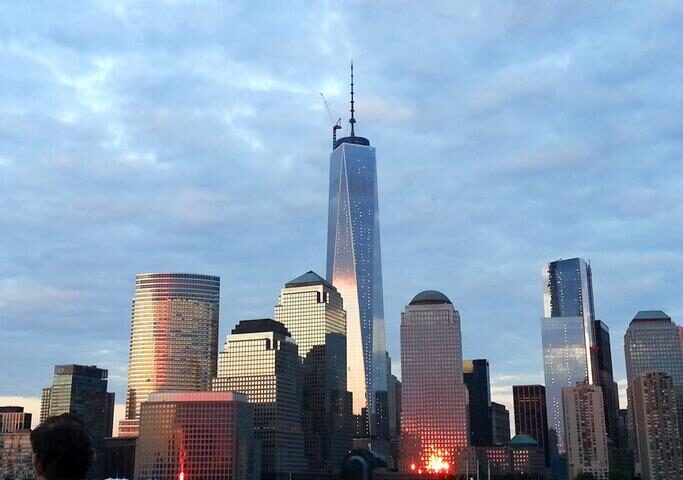
New York city is one of the most widespread tourist spots in the world. Every year, millions of people visit the city to experience its unique culture, cuisine, and nightlife. If you’re planning a trip to New York City, here are some tips on how to have an unforgettable time.
The greatest time to tour New York City depends on your preferences. If you love cold weather, then winter is the perfect time to explore the city’s Christmas markets and ice-skating rinks. Spring is a great time to see the city’s famous cherry blossoms in Central Park. Summer is ideal for picnicking in the park or relaxing on one of the city’s many roof top bars. And fall is perfect for watching the leaves change color in Central Park or enjoying Halloween festivities in Greenwich Village.
No matter what time of year you visit, there are plenty of things to do in New York city. Sightseeing is a must-do for any first-time visitor. Some of the most popular attractions include the Empire State Building, Rockefeller Center, Times Square, and Central Park. Shopping is also a popular activity among visitors, especially in iconic department stores like Macy’s and Bloomingdale’s. And no trip to New York City would be complete without experiencing its world-renowned dining scene. From Michelin-starred restaurants to hole-in-the-wall cafes, there’s something for everyone.
The best time to visit New York city
Winter in New York city
Winter is the perfect time to visit New York City. The weather is cool and crisp, and the holiday decorations make the city even more magical. Plus, there are always plenty of fun events going on, like the Macy’s Thanksgiving Day Parade and the Rockefeller Center Christmas Tree Lighting.
Spring in New York City
Spring is another wonderful time to visit New York City. The weather is getting warmer, the flowers are in bloom, and there are lots of fun festivals taking place, like the Tribeca Film Festival and the Easter Parade & Bonnet Festival.
Summer in New York City
Summer is a great time to visit New York City if you’re looking to enjoy all that the city has to offer outdoors. From Central Park to Coney Island, there are endless opportunities for fun in the sun. Just be sure to pack your sunscreen!
Fall in New York City
Fall is a beautiful time of year to visit New York City, when the leaves start changing color and the air gets crisp and chilly. It’s also a great time to check out some of the city’s many Halloween attractions, like spooky haunted houses and hayrides through pumpkin patches.
The Amalfi Coast in Italy is one of the most beautiful places in the world. With its stunning natural scenery, architecture, and food, it’s no wonder that this place is a popular tourist destination. If you’re planning a trip to Amalfi Coast, here are some tips on how to have an unforgettable time.
The beauty of Amalfi Coast Italy
The natural scenery
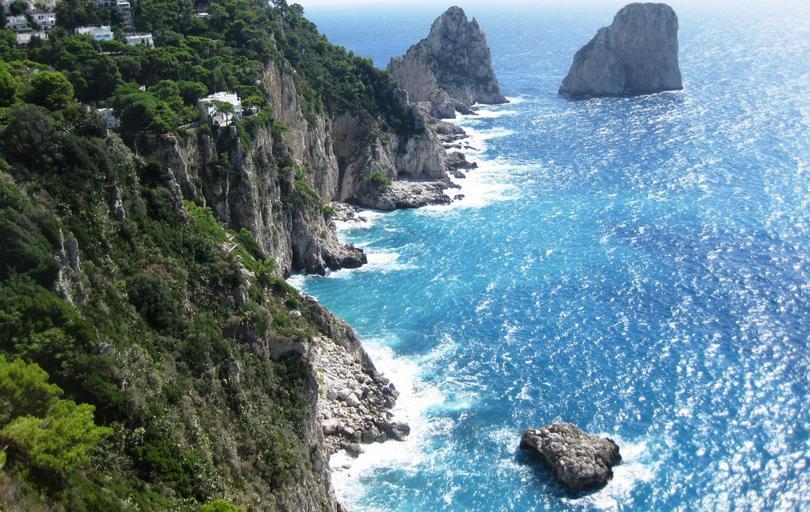
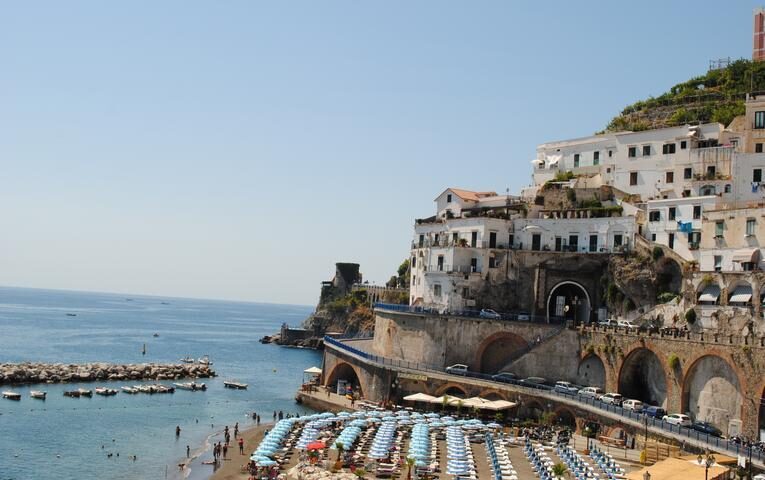
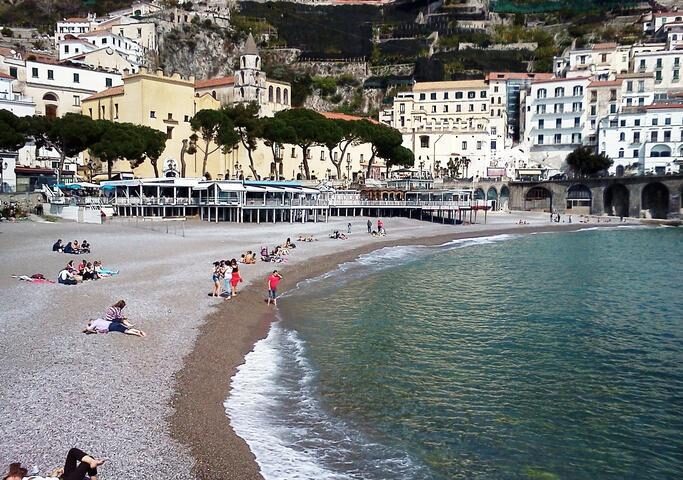
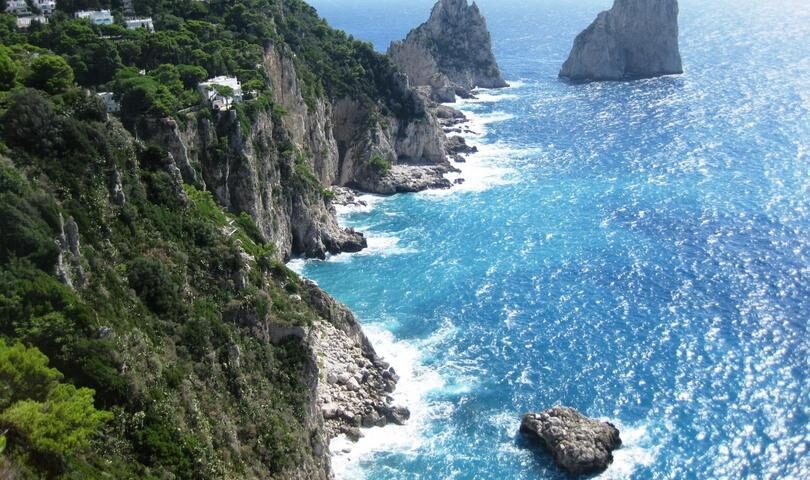
The Amalfi Coast Italy is renowned for its dramatic natural scenery. The coastline is dotted with picturesque fishing villages, cliffside homes, and lush vegetation. The area is also home to several popular beaches, including those at Positano and Amalfi.
The architecture
In addition to its natural beauty, the Amalfi Coast is also known for its architecture. The villages of the region are characterized by their brightly-colored houses, narrow streets, and terraced hillsides. Many of the churches and other buildings in the area date back centuries and are beautiful examples of Italian Renaissance architecture.
The food
Another major draw of the Amalfi Coast is its food. The region is known for its fresh seafood, as well as its lemons and olive oil. Visitors can enjoy traditional dishes such as spaghetti alle vongole (spaghetti with clams) or pizza margherita (a classic tomato and mozzarella pizza).
The things to do in Amalfi CoastItaly
The beaches
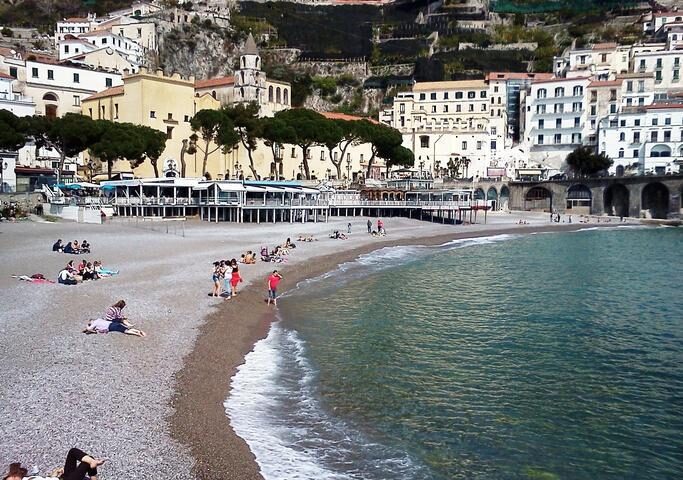
Beaches in Amalfi Coast are some of the most beautiful in the world. They are well-known for their dramatic cliffs, crystal-clear water, and picturesque towns. There are many different beaches to choose from, each with its own unique character.
The most popular beach is probably the beach at Positano. This beach is known for its stunning views of the town of Positano, as well as its clear water and soft sand. The beach at Positano is also a great place to people watch, as it is always full of tourists and locals alike.
The Amalfi Coast is one of Italy’s most popular tourist destinations. With its dramatic cliffs, picturesque villages, and turquoise waters, it’s no wonder why. If you’re planning a trip to the Amalfi Coast, there are a few things you should keep in mind to make sure you have the best experience possible.
Start by researching the best time to visit. The weather on the Amalfi Coast can be unpredictable, so you’ll want to avoid the busiest times of year if possible. December through February is high season, as well as July and August. Not only will hotels and resorts be more expensive during these months, but crowds will also be at their peak.
best hotels and resorts
Next, you’ll need to decide where to stay. There are a variety of accommodations available on the Amalfi Coast, from hotels and resorts to vacation rentals. Consider your budget and travel style when making your decision. If you’re looking for a more intimate experience, a vacation rental might be the way to go. But if you’re looking for luxury accommodations, a hotel or resort would be your best bet.
Amalfi Italy
Finally, make sure to plan ahead and be flexible when traveling to the Amalfi Coast. Create an itinerary that includes your must-see sights and activities, but be prepared for transportation changes and other potential delays. By being flexible and planning ahead, you’ll ensure that you make the most of your trip to this beautiful corner of Italy.
Start planning your trip by researching the best time to visit Amalfi Coast.
Consider the weather and the busiest times of year
The Amalfi Coast is a popular tourist destination, so it’s important to consider the weather and the busiest times of year when planning your trip. The summer months of June, July, and August are the busiest and most crowded, with temperatures averaging in the mid-80s Fahrenheit. If you’re looking for a more relaxed atmosphere, plan to visit during the shoulder season of April-May or September-October. The weather is still pleasant during these months, with temperatures in the low-70s Fahrenheit, but there will be fewer crowds.
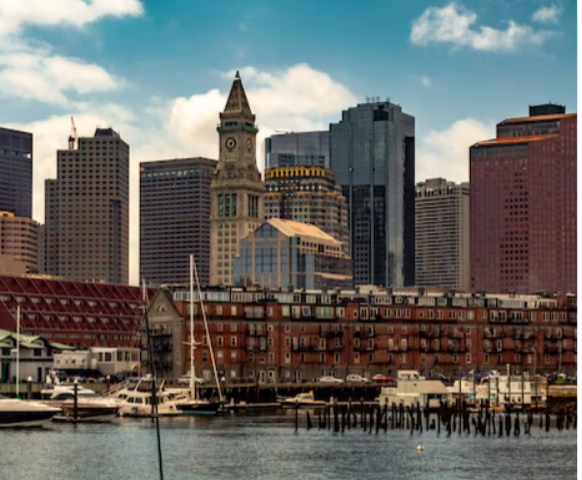
When it comes to finding the best hotel deals in Boston, timing is everything. The city’s shoulder season (April-May and September-October) offers the best rates on accommodations. However, there are still plenty of ways to save during high season (June-August). Here are some tips on how to find the best hotel deals in Boston, no matter when you visit.
When to Visit Boston to Get the Best Hotel Deals.
Shoulder Season vs. High Season.
The best time to visit Boston for hotel deals is during the shoulder season, which runs from mid-September to late October, and again from April through early June. During these times, hotel rates are typically lower than during the high season. However, there are still some great deals to be had during the high season (July through August), especially if you book in advance.
What Are the Best Deals During the Shoulder Season
During the shoulder season, you can often find discounts of up to 30% off regular rates at many hotels in Boston. This is a great time to visit if you’re looking to save money on your accommodations. Keep in mind that this is also a popular time for business travelers, so booking early is recommended.
What Are the Best Deals During the High Season
If you’re traveling to Boston during the high season (July through August), it’s still possible to find some great deals on hotels. Many hotels offer discounts for guests who book their stay well in advance, so it’s important to plan ahead if you want to save money. You can also check out hotel price comparison sites like Kayak or TripAdvisor to find the best deals during this time period.
Tips for Booking a Hotel in Boston on a Budget.
Use a Hotel Price Comparison Site
Hotel price comparison sites are a great way to find the best deals on hotels in Boston. You can compare prices from different websites in one place, and you can also read reviews from other travelers. TripAdvisor is a popular hotel price comparison site that also has reviews from travelers.
Join a Hotel Loyalty Program
If you often stay at hotels, it can be worth joining a hotel loyalty program so that you can earn points or get discounts on future stays. Many major hotel chains have loyalty programs, such as Marriott Rewards and Hilton Honors. You can often get discounts of 10% or more by booking through the loyalty program website.
Look for Hotel Deals and Discounts
There are often deals and discounts available for hotels in Boston, especially if you book in advance or during the off-season. You can often find deals on travel websites like Expedia or Kayak, or directly on the hotel’s website. For example, the Omni Parker House offers a “Winter Special” with 20% off your stay if you book before March 31st.
The Best Neighborhoods in Boston for Hotels.
Downtown Boston
Downtown Boston is the perfect place to stay if you want to be in the heart of the action. The area is home to some of Boston’s most popular attractions, including the Freedom Trail, Faneuil Hall, and the New England Aquarium. And with so many hotels to choose from, you’re sure to find a great deal.
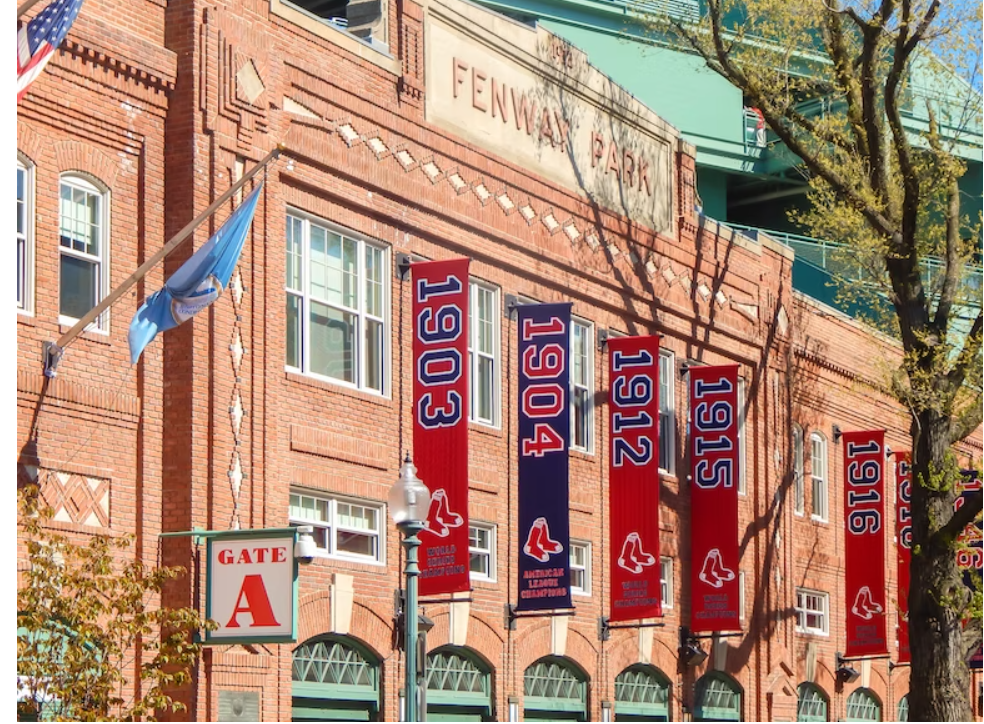
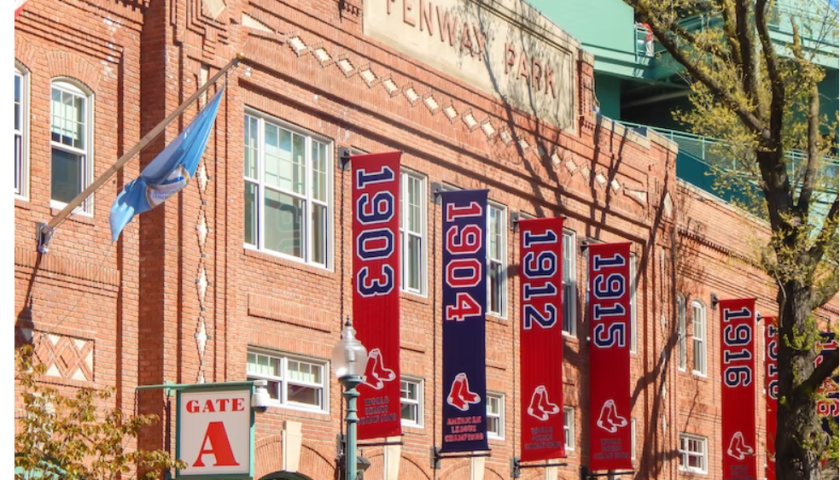
The Back Bay is one of Boston’s most popular neighborhoods, and it’s easy to see why. The area is home to some of the city’s best shopping and dining, as well as top attractions like the Museum of Fine Arts and Fenway Park. And with a wide variety of hotel options, you’re sure to find a great deal on a place to stay.
Beacon Hill
Beacon Hill is one of Boston’s most historic and charming neighborhoods. The area is home to iconic landmarks like the State House and Beacon Hill Park, as well as countless shops and restaurants. And with a wide variety of hotels to choose from, you’re sure to find a great deal on a place to stay.
The South End
The South End is one of Boston’s most vibrant neighborhoods, with a thriving arts scene and innumerable dining and nightlife options. The area is also home to top attractions like the Isabella Stewart Gardner Museum and the Boston Tea Party Museum. And with so many hotels in the area, you’re sure to find a great deal on a place to stay during your visit.
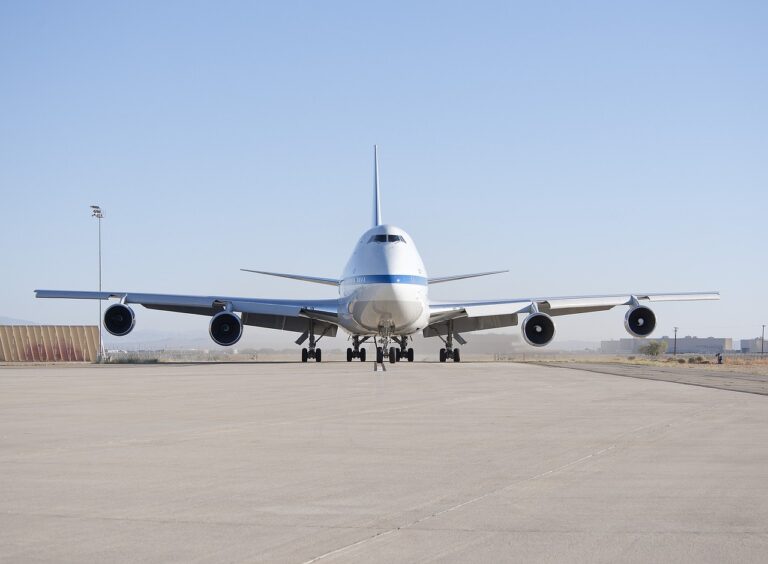
If you’re looking for tips on how to book a budget friendly flight, you’ve come to the right place. In this page, we’ll share some of the best tips and tricks for finding budget friendly airfare. By following these guidelines, you can save yourself a lot of money on your next trip.
One of the most important things to keep in mind when booking a flight is timing. Airlines typically release new routes and sale prices at certain times of the year. Additionally, Tuesdays are often the cheapest day to fly, so if your schedule is flexible, it’s worth considering flying on this day of the week. Another key tip is to be flexible with your travel dates. You may find that you can get a better deal by travelling during the off-peak season or avoiding flying on weekends.
When it comes to actually booking your flight, there are a few different options to consider. Online travel agencies and airline websites are usually good places to start your search. Comparison websites can also be helpful for finding deals on flights.. By doing this, you’ll be among the first to know about any special sales or promotions that they’re offering.
So, there you have it – some great tips for booking a budget friendly flight! By following these guidelines, you can save yourself a lot of money on your next trip.
The best time to book a flight.
The best time to book a flight is when airlines release new routes. Airlines typically release new routes several months in advance, so you’ll have plenty of time to plan your trip and compare prices.
The Tuesday Trick.
The Tuesday Trick is another great way to save on airfare. Airlines often release their cheapest fares on Tuesdays, so if you’re flexible with your travel dates, you can save a lot of money by booking your flight on a Tuesday.
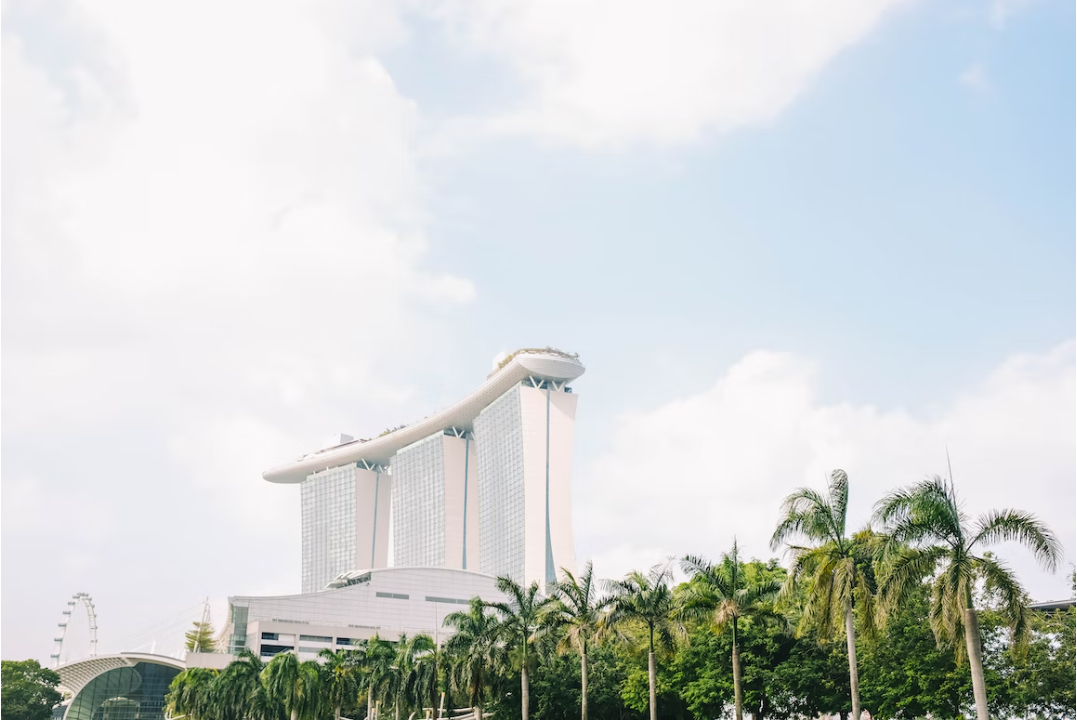
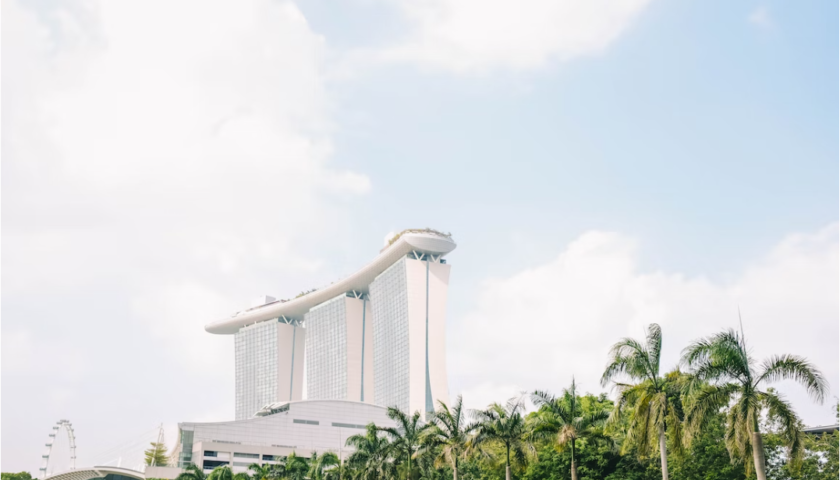
Looking for a place to stay in Singapore on a budget? You’re in luck! This city is home to some of the best budget hotels in Asia. In this blog post, we’ll share our top picks for budget hotels in Singapore, as well as some tips on how to find the best deals. So, whether you’re looking for a cheap and cheerful place to crash after a long flight or a comfortable base for exploring all that Singapore has to offer, read on!
singapore
The best budget hotels in Singapore
Location
The best budget hotels in Singapore are centrally located, near public transportation, and in safe neighborhoods. Consider the location of the hotel before booking to ensure that it is convenient for your needs.
Amenities
When looking for a budget hotel in Singapore, be sure to check what amenities are included in the room rate. Some hotels may charge extra for Wi-Fi, breakfast, or other services. Make sure you know what is included in the room rate so there are no surprises when you check in.
Price
Of course, price is an important factor when choosing a budget hotel in Singapore. Be sure to compare rates from different hotels before making a decision. You can use online tools like Tripadvisor to find the best deals on hotels in Singapore.
The 2008 financial crisis, also known as the Global Financial Crisis (GFC), is one of the most significant economic events of the 21st century. Its resonance was felt around the world, affecting economies, businesses, and individuals. Understanding the causes, consequences, and lessons learned from this crisis is critical to navigating today’s difficult economic environment.
Causes of the financial crisis
The subprime mortgage problem: The 2008 financial crisis was triggered by the catastrophic collapse of the housing market in the United States. Financial institutions were offering subprime mortgages – loans to borrowers with poor credit histories – in unprecedented numbers. These risky mortgages were bundled together and sold as complex financial instruments known as mortgage-backed securities (MBS), creating a speculative windfall in the housing market.
Securitization and financial technology: Increasing securitization accompanied financial technical strategies to further increase risks. Created complex debt securities (CDOs), derivatives, and other financial instruments, leading to a lack of transparency and understanding of underlying risks. When the housing market began to decline, these securities rapidly lost value, causing a flowing effect throughout the financial system.
Deregulation and lack of oversight: Regulatory provisions, notably the repeal of the Glass-Steagall Act in 1999, contributed to the crisis by blurring the distinction between trading and banking activities and this allowed banks to engage in practices that dangerously poorly maintained. Furthermore, credit rating agencies fail to adequately assess the risks associated with mortgage banks, misleading investors, and inflated credit ratings.
Domino Effect: The crisis spread when the housing market collapsed, financial institutions incurred large losses on investments in mortgage and related derivatives funds.
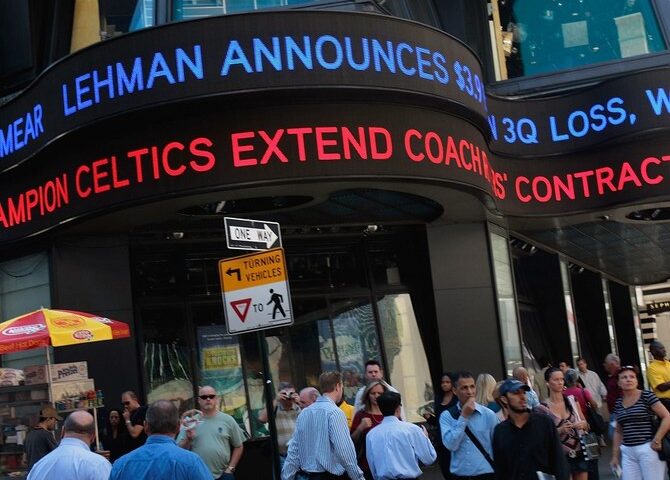
Lehman Brothers, one of the largest investment banks, filed for bankruptcy in September 2008, sending shakes through the global financial system. Confidence evaporated, leading to a freeze in credit markets and a widespread loss of trust in financial institutions.
The effects of the financial crisis
Global economic downturn: The financial crisis of 2008 exacerbated the global recession and reduced GDP in many countries. Banks went down, businesses struggled to get credit, and consumer spending plummeted. The interconnectedness of the global economy meant that no country was immune from the crisis, sending unions down in unison.
Unemployment and foreclosures: The collapse of the housing market led to millions in foreclosures and high unemployment. Families lost their homes, while workers faced layoffs and stagnant wages. The devastating effects of job losses and housing instability have taken hold across the region, exacerbating socioeconomic inequalities. bailouts and government intervention. In response to the crisis, governments around the world stepped in with massive bailouts to financial institutions that were deemed “too big to fail”. U.S. government injected hundreds of billions of dollars into troubled banks and other financial institutions, introducing the Troubled Assets Relief Program (TARP) These measures helped prevent a total collapse of the financial system.
People walk under a ticker sign announcing Lehman Brothers financial losses September 10, 2008 in New York.
Lessons learned
The need for regulation and monitoring: The financial crisis highlighted the need for strict regulation and oversight of the financial sector. Reforms such as the Dodd-Frank Wall Street reforms and the Consumer Protection Act have been implemented to strengthen the regulatory framework.
Increase transparency and reduce systemic risk but continued vigilance is needed though ensure that the financial institution acts responsibly to prevent illegal interference.
Risk management and transparency: Financial institutions must prioritize risk management and transparency to avoid repeating the mistakes of the past. This includes conducting due diligence on investments, accurately assessing risk, and disclosing information to investors in a clear and timely manner.
The role of financial education and literacy: Increasing financial literacy and literacy is essential to enable individuals to make sound financial decisions and protect themselves from harmful lending practices. By promoting financial literacy programs in schools, workplaces, and communities, individuals can better understand the risks and rewards associated with financial products and services conclusion The financial crisis of 2008 was a stark reminder of the dangers of unchecked corruption, weak regulation and excessive risk in the economy and its far-reaching consequences shape monetary policy and the economy of markets to date. By learning from the mistakes of the past and implementing smart changes, we can strive to create a stronger and more resilient financial system for the future.
financial crisis foreclosure
During the financial crisis of 2008, governments around the world implemented policies and programs to help stabilize the economy and mitigate the effects of the crisis.
Several major policies were implemented in the United States: Troubled Assets Relief Program (TARP): TARP was one of the most vital government responses to the financial crisis. TARP was a program enacted by the U.S. government to purchase troubled assets, such as mortgage-backed securities and other deadly assets, from financial institutions. The goal was to stabilize the financial system by inserting capital into struggling banks and preventing further collapses.
Financial Incentive Package: The US government introduced several economic stimulus programs aimed at increasing consumer spending, creating jobs, and encouraging economic growth. These policies include things like tax breaks, infrastructure spending, and grants to state and local governments. The 2008 Economic Stimulus Act, signed by President George W. Bush, cut personal taxes and stimulated businesses to invest. Subsequent stimulus measures, such as the American Recovery and Reinvestment Act of 2009 under President Barack Obama, focused on infrastructure, renewable energy investments and social welfare programs.
Federal Reserve Participation: The Federal Reserve, the central bank of the United States, used monetary policy to support the economy during the crisis. These measures included reducing the government funds rate to near zero, raising money for financial institutions through open market operations.
Housing market support: With the collapse of the housing market as the primary cause of the crisis,the government implemented several programs to stabilize the housing market and prevent foreclosures. Programs such as the Home Affordable Modification Program (HAMP) aimed at helping struggling homeowners adapt to their mortgage.
In addition, the Federal Housing Administration (FHA) expanded its scope to provide options for restoring mortgage insurance to homeowners experiencing financial hardship.
These policies and interventions played an important role in stabilizing the economy and preventing a deep and prolonged crisis during the financial crisis of 2008. Although they received mixed reactions and criticisms, ultimately helped to restore confidence in the monetary policy which forms the basis for economic stability.